Everyone wants to be a DJ. Not everyone wants to build a culture. In Morocco’s ever-evolving electronic music scene, Oddity is doing more than just playing records. Between late-night sets, creative projects, and a growing ambition to make his own music, the Moroccan DJ and producer is carving out a lane that goes far beyond the booth.
More Than Just Another Name on the Lineup
Enter Oddity.
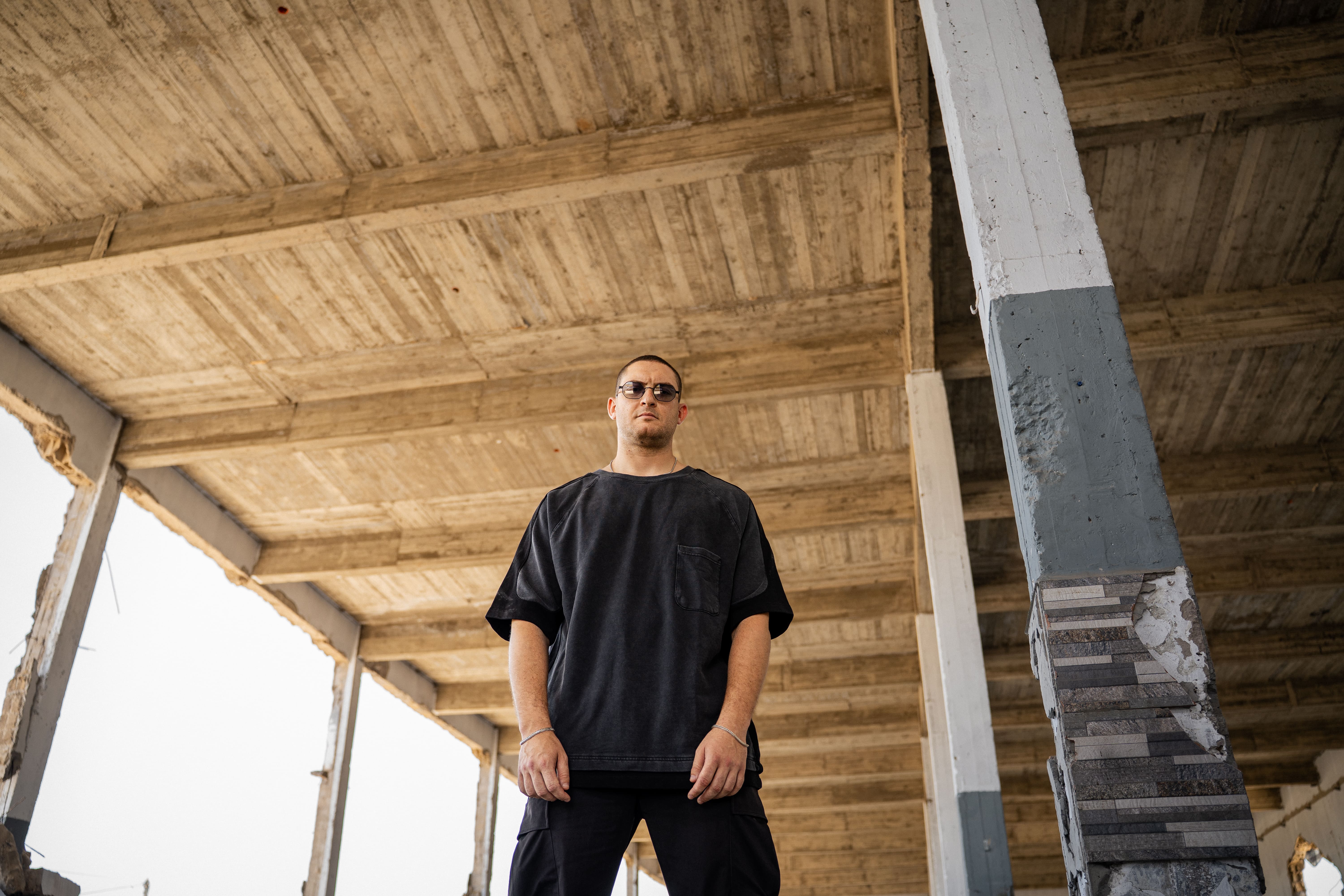
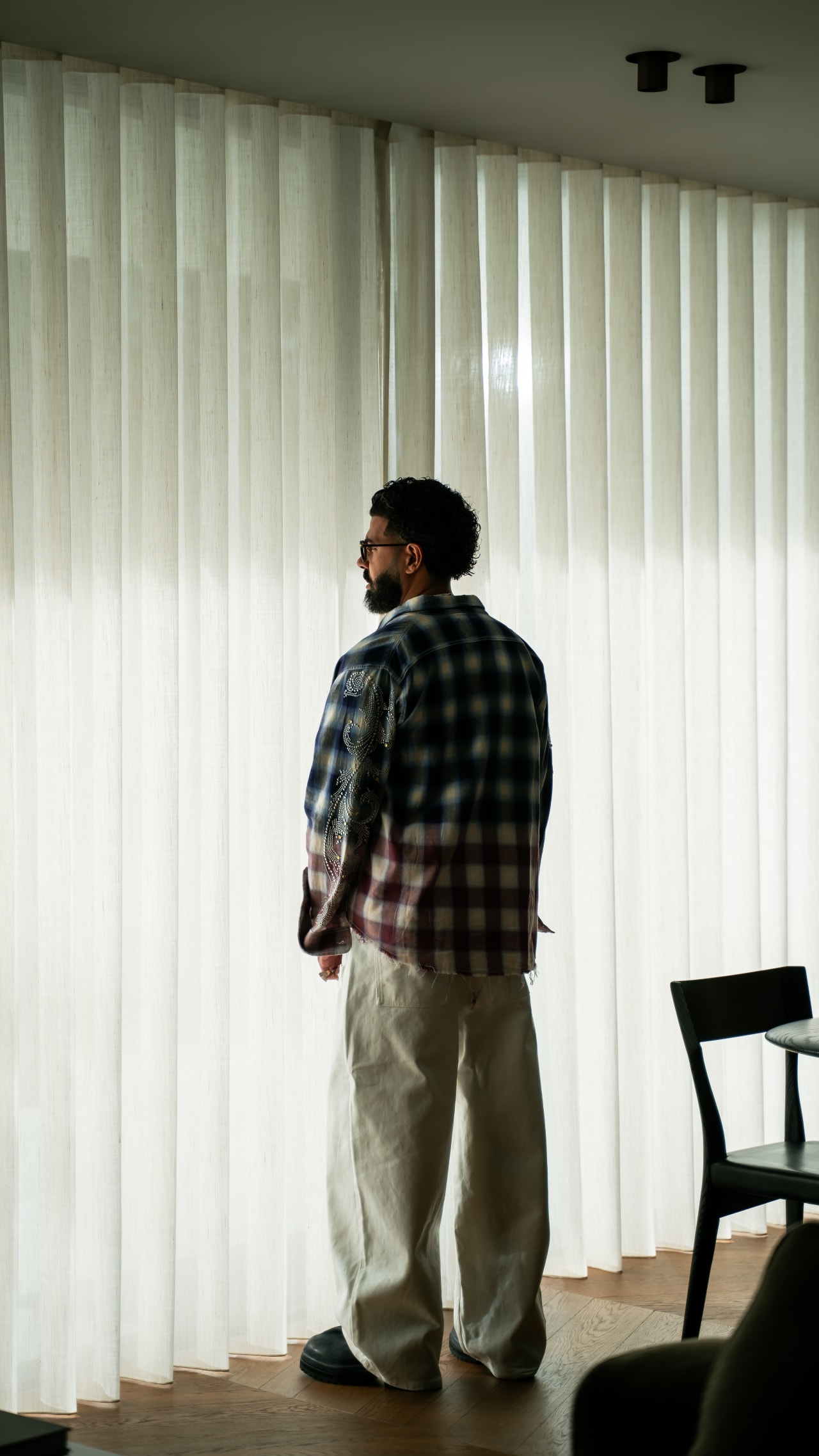
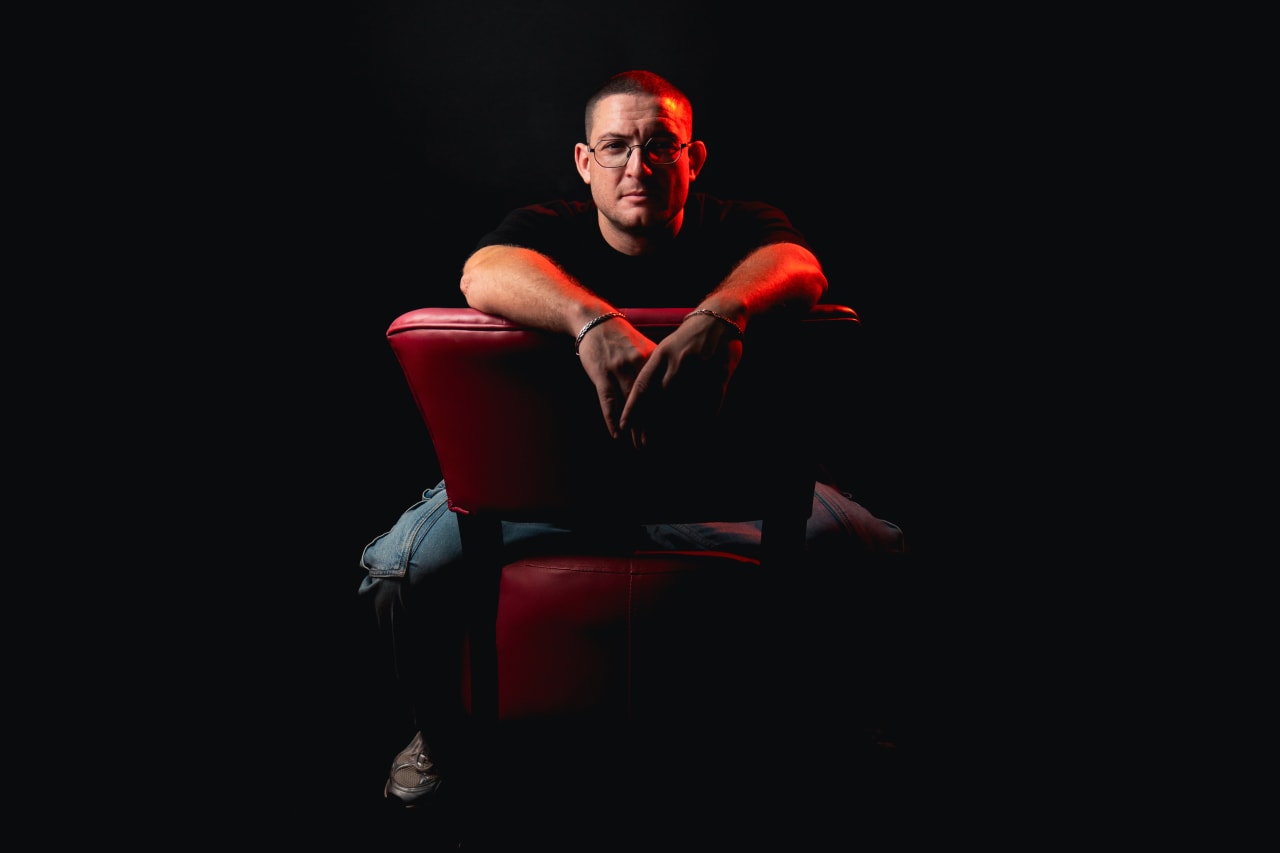
Known offstage as Haytem Guerbali, the Moroccan DJ and producer has spent years developing an artistic identity that refuses to stay within a single genre. Rooted in house and techno, his sound moves between different influences, guided less by musical labels and more by energy, emotion, and instinct.
The Culture Doesn't Build Itself
Enter ODD Collective, a new chapter focused on developing experiences, collaborations, and concepts that stretch beyond the traditional party format.
Then there's ODDITY +1, a monthly series developed with Wunderbar that brings emerging local talent and guest artists into the same space. The concept is simple but important: sharing the spotlight rather than keeping it all to yourself.
And just when you think you've figured out his approach, there's DJ Run, a format combining running with live DJ performances.
From Playing Tracks to Making Them
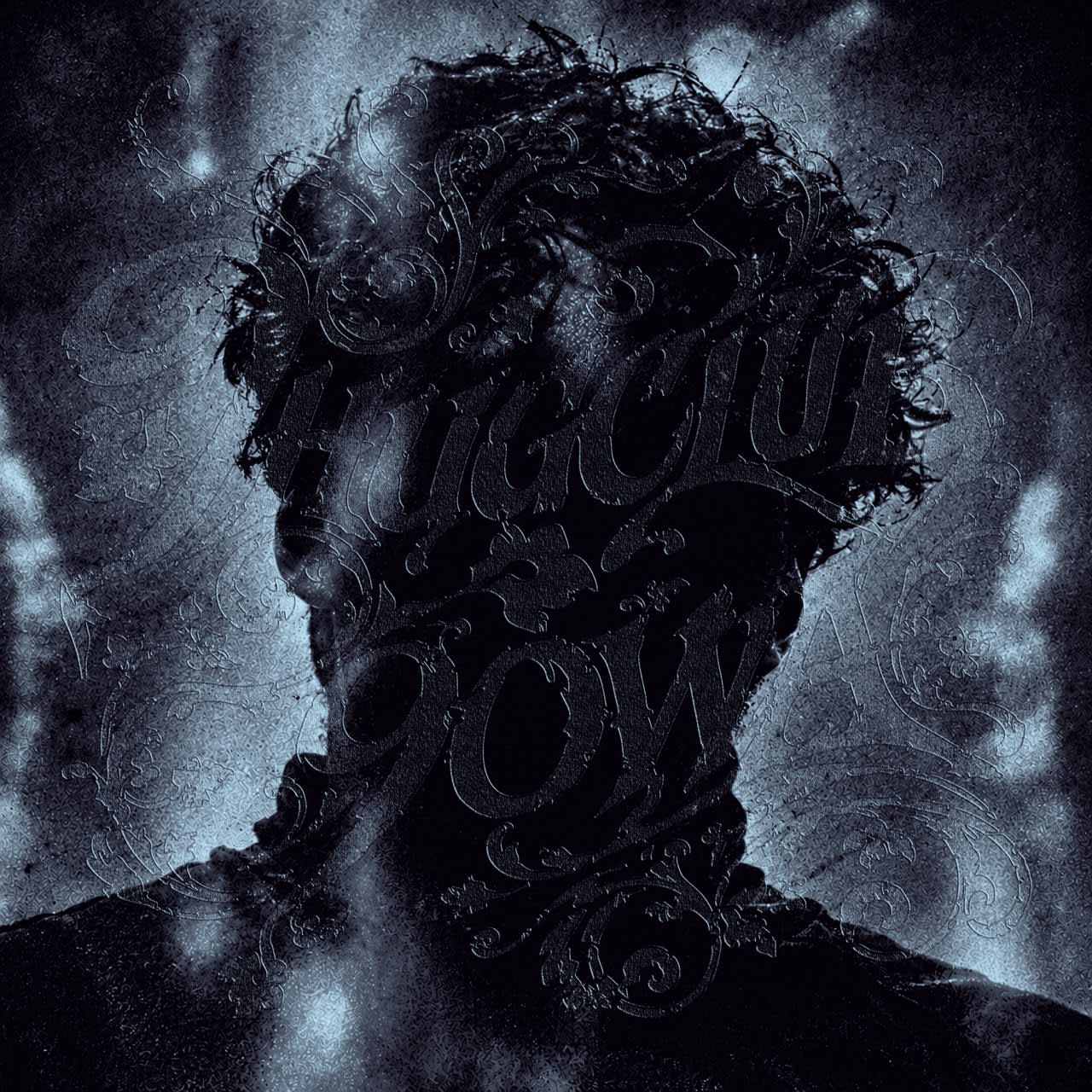
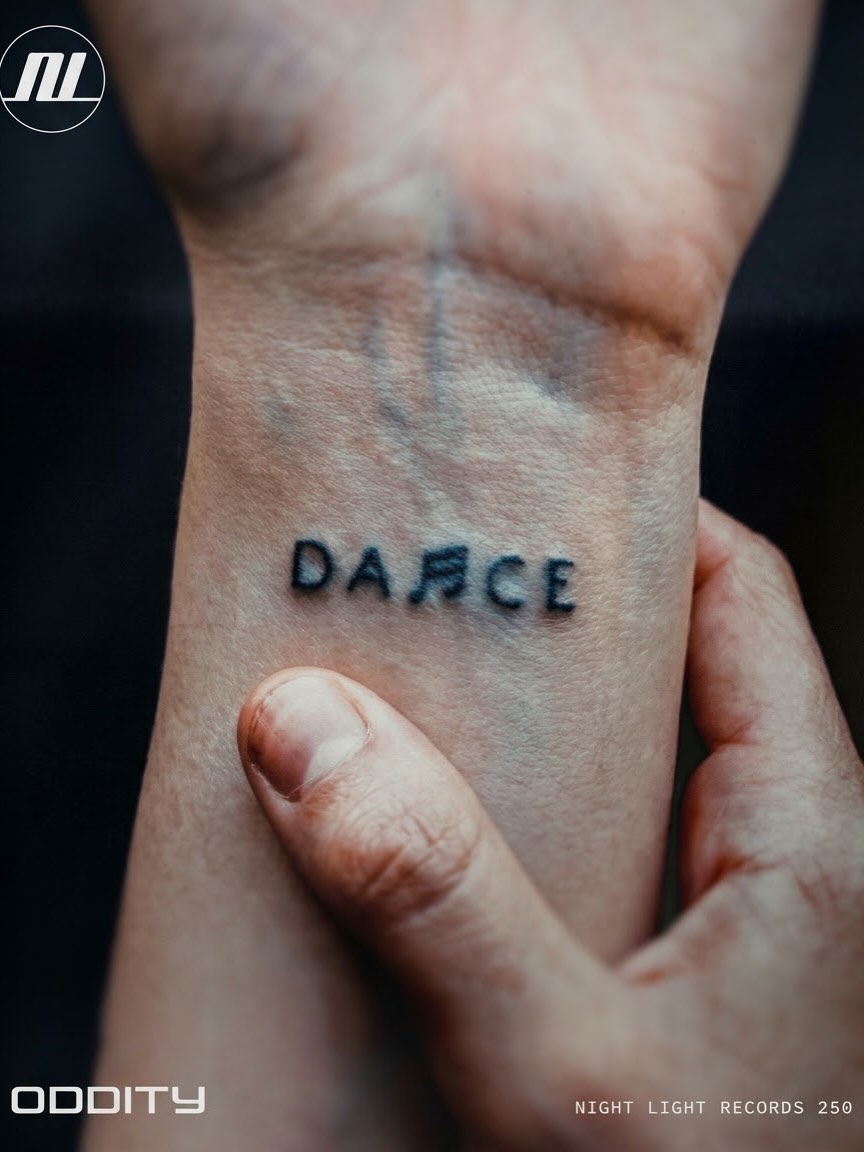
His upcoming EP, DANCE, set for release on October 30, 2026, and available for pre-order, marks a new creative phase.
And he's not planning to stop there.With more EPs and new music already in the works, Oddity is building momentum as a producer, with further releases planned in the months ahead.
It's a significant shift. DJing is about creating a moment with the music you select. Producing is about creating something that belongs to you, something that exists long after the party ends. In a world obsessed with instant recognition, finding your own sound might be the boldest move of all.
Morocco's Electronic Scene Is Having a Moment. But What's Next?
What happens beyond the festival season? How do emerging artists find meaningful opportunities? And how can local talent build an identity that travels beyond Morocco's borders?These are the kinds of conversations that deserve more space.
For Oddity, building a lasting career in electronic music starts with having a clear vision and an identity of your own. In a scene that continues to evolve, standing out means more than being visible at the right moment. It takes consistency, hard work, and the willingness to keep pushing forward even when things are going well.
Just as importantly, it means thinking beyond individual success and contributing to a wider culture where artists can develop, collaborate, and create opportunities for themselves. Through his music and creative ventures, Oddity embodies this long-term mindset, driven by the belief that progress comes from constantly evolving rather than settling for what has already been achieved.
The Next Chapter Is Personal
Between his evolving production work, ODD Collective, and the projects he's developing around music and community, Oddity is gradually shifting the conversation from where he's playing next to what he's building next. And with DANCE marking the beginning of his next creative phase, the most interesting part of his journey might still be ahead.
We caught up with Oddity to talk about artistic identity, the realities of Morocco's electronic music scene, and why his next chapter might be his most personal yet.
Q: Everyone wants to be a DJ these days. Do you think DJ culture has become more about visibility than the music itself?
I think visibility has become a bigger part of DJ culture, especially with social media, and sometimes it can overshadow the music itself. There's nothing wrong with building your presence, as long as the music remains at the center. For me, it's about developing your own sound, staying curious, working on your craft, and building a genuine connection with people. It's also about staying true to your values.
No opportunity is worth compromising your principles just to fit in or get ahead. You can get attention overnight, but building an identity that lasts takes time, consistency, and integrity. Visibility can open doors, but your values define who you are once you walk through them.
Q: You've spent years performing, but you've also been involved in creating events and platforms. At what point did you realize that simply being behind the decks wasn't enough?
I don't think it was one specific moment. The more time I spent in music, the more I realized how much it meant to me, and that what I loved about it went far beyond playing behind the decks. It's the energy, the emotions, the connections between people, and those moments when music brings everyone together without needing a single word.
I wanted to be part of creating those moments, not just experience them from behind the decks. Creating events and platforms became a way to bring my vision to life, share that passion with others, and create opportunities for artists to grow. For me, music has never been just a job or a performance. It's something I genuinely love, and building something around it felt like a natural way to give back to what has given me so much.
Q: Morocco's electronic music scene is growing, but is it genuinely evolving, or are we just getting better at throwing parties?
I think we're making progress, but there's still a difference between growing and truly evolving. Morocco has incredible talent, passionate people, and an energy that makes the scene special. But throwing great parties is only one part of the picture. Real evolution means creating opportunities for local artists, building platforms that last, developing our own identity, and creating an ecosystem where artists can grow beyond a single event or season.
I think we have the potential to do much more, but it takes vision, consistency, and people willing to invest their time and energy into something bigger than themselves. A party can create a moment, but a strong scene is built through what happens before and after it.
Q: Let's talk about DANCE. Why is now the right moment to introduce this new side of Oddity, and what can people expect from the project?
I think this is the right moment because I feel more connected to the music I want to put out into the world. I'm naturally a perfectionist, and I'm always pushing myself to do better, but over time I've learned that growth also means trusting your instincts and allowing yourself to evolve. My philosophy has always been simple: it's you versus you. It's about becoming a better version of yourself, not trying to be someone else.
With DANCE, I wanted to bring that mindset into my music and create something that genuinely reflects who I am. It sits somewhere between house and techno, with strong melodies, groove, and emotion, but most importantly, it has my own identity rather than chasing what's trending. The EP brings together two tracks, “Dance” and “Sarah,” and the artwork has a personal story behind it, inspired by a real tattoo belonging to someone very close to me.
That makes the project meaningful on a level beyond the music itself. I'm proud of what it represents, and it feels like the right moment to share it. There's a lot more to come.
Q: DJ Run brings electronic music into a completely different environment. Do you think the future of electronic music culture lies beyond traditional nightlife?
I think traditional nightlife will always have its place, but electronic music has so much potential beyond the club. For me, DJ Run comes from bringing together two passions that have been part of my life for years: music and sport. Both have taught me a lot about discipline, consistency, and pushing beyond my limits, so combining them felt like a natural thing to do.
There's something special about sharing music in an environment where people are moving, challenging themselves, and connecting in a different way. I also love the idea of experiencing music in a healthier setting, whether it's an early morning run, a coffee with friends, or a session by the beach, without everything having to revolve around nightlife. It's not about replacing club culture, but expanding it and creating new ways for people to connect through music.
I think some of the most exciting ideas come from combining the things you genuinely love, and DJ Run is a way for me to share that feeling with others.
Q: What's one uncomfortable truth about Morocco's electronic music industry that nobody seems willing to address?
I think one of the biggest problems in Morocco's electronic music scene is the culture of exchanges between promoters. Of course, this doesn't apply to everyone, and exchanges can be perfectly legitimate when done for the right reasons. There's nothing wrong with supporting each other, but too often, bookings become a matter of “you play my event, I play yours” rather than a decision based on talent, hard work, or artistic value.
The problem is that slots become favors, while talented local artists who are genuinely working hard to build their careers get overlooked. Someone shouldn't get booked simply because they can offer something in return, while others have to fight for opportunities they deserve.
Exchanges can make sense, but they should never become a shortcut to getting booked. A slot should be earned, not traded. If we keep giving opportunities to the same circle of people, we're not developing the scene; we're just recycling opportunities among ourselves.
If we want Moroccan electronic music to grow, promoters need to look beyond their own networks and give more chances to artists who are putting in the work. It's about building a scene based on merit, not favors.
Q: Away from the parties, the projects, and the music, who is Haytem when he's not being Oddity?
Away from the music, I'm someone who values genuine connections, loyalty, and personal growth. I love spending time with the people I care about, sharing experiences, and inspiring others. One of the things that makes me happiest is seeing people around me grow, succeed, and believe in themselves. I think life is about more than what you achieve; it's also about the people you meet and the impact you have on each other.
I'm passionate about sports, which help me stay grounded and remind me of the importance of discipline and consistency. I also have a creative side beyond music, particularly through fashion and my clothing brand, Youniverse. I love expressing myself in different ways and exploring ideas that reflect who I am.
Life has taught me a lot about change, resilience, and staying true to yourself. I'm not afraid to start over or take a different path, as long as I remain connected to my values and my vision. And while ODDITY has become a huge part of my identity, there's always Haytem behind the artist: someone who's still learning, growing, loving, and trying to bring something positive into the lives of the people around him. For me, that's what matters most.
Q: Five years from now, what would make you feel like you've genuinely made an impact, beyond the bookings, the numbers, and the recognition?
Five years from now, I'd feel I've made a genuine impact if I could look back and see that something I built helped other people grow. Whether it's an artist who found an opportunity, someone who gained the confidence to pursue their passion, or a community that became stronger through music. I'd love to see more local artists develop their own identities, get the opportunities they deserve, and take Moroccan electronic music even further.
I'd also love to see nightlife evolve into a healthier, more positive space where people can connect, express themselves, and create meaningful experiences beyond the music itself.
At the same time, I want to keep growing, learning, and challenging myself, because I don't believe we ever stop evolving. I've learned that projects may change, paths may take unexpected turns, but what you learn, the values you stand for, and the vision you carry stay with you. I want to keep building new ideas, creating opportunities, and seeing the work I've put in over the years have an even greater positive impact.
Ultimately, I don't want to be remembered only for the places I've played or the success I've achieved, but for the people I've inspired, the opportunities I've helped create, and the community we've built together. If I can help others move forward while staying true to my values and continuing to grow myself, that would be the kind of success that truly matters to me.
LOOM was born from a desire to build something with its own identity and creative vision. For me, music has always been about more than what happens behind the decks. It’s about the connections between people, the energy they share, and the experiences that stay with them long after the music stops.
The name reflects that idea: individual threads coming together to create something greater than the sum of their parts. Through LOOM, I want to bring people and different musical energies together through thoughtful curation, a distinctive musical direction, and a genuine sense of community.
Ultimately, the ambition is to build something that grows organically, develops its own identity, and brings people together through music.